Renovating an Older Home: What to Expect When Stripping Tiles and Old Floor Coverings
A practical guide for owners of older homes explaining the process of removing tiles, carpet, cork and adhesives to expose timber or concrete subfloors — what noise, dust and access look like, and how professionals manage uneven or damaged substrates.
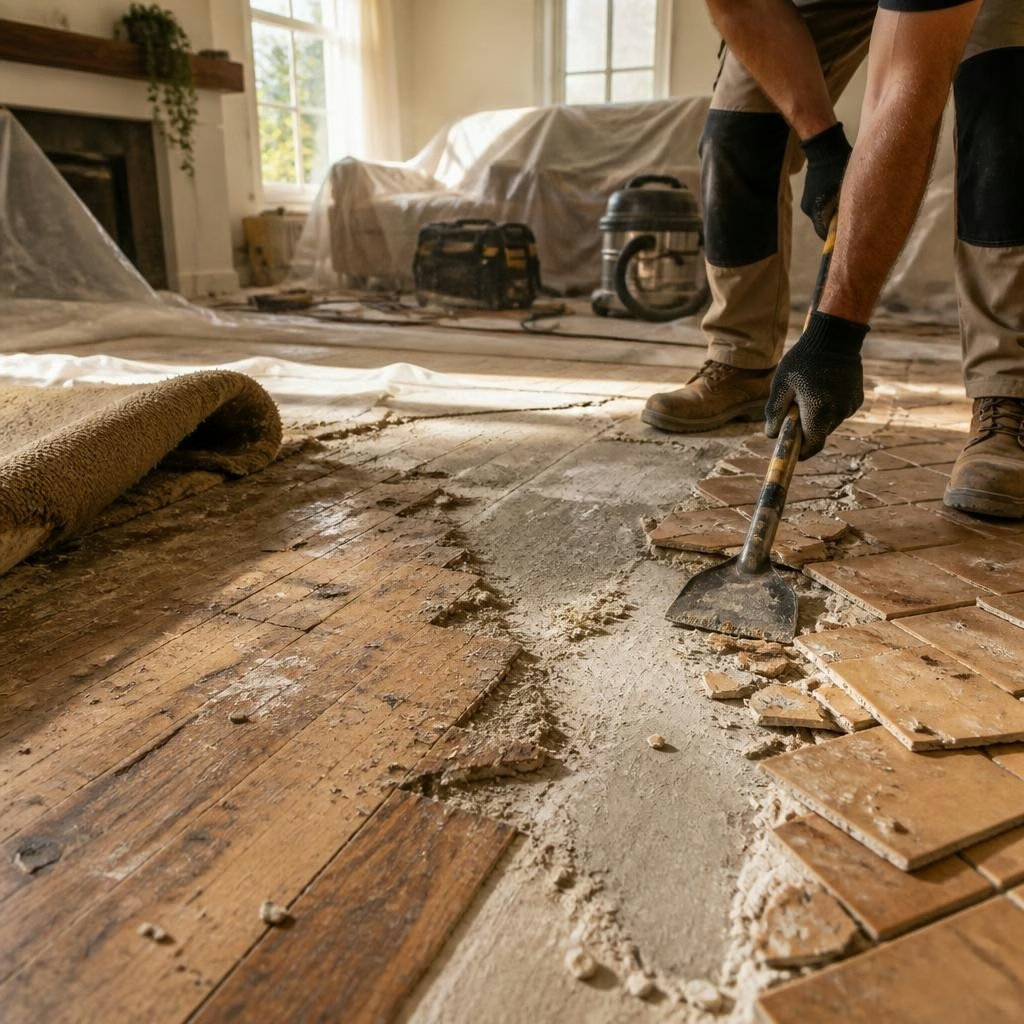
Why strip old floor coverings?
Older homes often hide layers of coverings — carpet, cork, ceramic tiles and adhesive — that can trap moisture, hide damage or prevent a high-quality new finish. Stripping those layers exposes the actual subfloor (timber or concrete), allowing an accurate assessment and the right repair or finish: whether that’s repairing and recoating concrete, polishing, an epoxy overlay, or preparing timber for a new floor. Absolute Luxury Floors is family-run from Burleigh Heads and specialises in bringing those underlying surfaces back to life for homeowners across the Gold Coast and surrounding areas.
Noise, dust and how long it takes
Removal work is noisy and dusty by nature. Mechanical tile removers, grinders or sanding tools create vibration and airborne dust; the intensity depends on the covering and adhesive. Small rooms or single rooms can often be cleared in a day, while multiple rooms or thicker adhesives can take longer. Professionals use dust extraction, drop sheets and staged work to reduce airborne dust and control mess, and they’ll advise on likely noise levels and a realistic timeline before starting.
Access and site preparation you should plan for
Clear the work area of furniture and personal items and provide unobstructed access to the rooms being stripped. Protect neighbouring rooms with taped plastic sheeting and close off HVAC where appropriate to limit dust spread. Ensure parking and site access for equipment and crew; contractors will usually ask about these practicalities when providing a quote. Communicate timing expectations with other trades so the project runs smoothly — many customers appreciate when trades coordinate to minimise downtime.
How different coverings are removed
Carpet and cork are usually lifted and removed by hand, but ceramic tiles and stubborn adhesive often require mechanical methods. Grinding, sanding or light scarifying are common ways to remove tile adhesive and to flatten the surface. For outdoor areas or patios, sanding the slab to remove adhesive is a typical step. The removal method is chosen so the subfloor is exposed with as little damage as possible, and so a suitable next step can be taken — from patching to polishing.
Dealing with timber subfloors
When stripping reveals a timber subfloor, the contractor will check the condition of boards and joists. Timber may be intact and ready for sanding, or it may need repair, re-screwing or board replacement — tasks typically handled by a carpenter. In several projects we’ve worked on, older homes required patience and care to return the floor to a stable timber surface before any finish was applied. If timber needs structural work, a coordinated plan with a carpenter is recommended.
Dealing with concrete substrates: repairs and finishing options
If you uncover concrete, many remedial and finishing options are available. Concrete can be ground and levelled, patched where damaged, then honed and sealed, polished, or finished with epoxy coatings or resurfacing systems. Absolute Luxury Floors lists concrete repairs, resurfacing, polishing and epoxy among their services; experienced teams use grinding and patching to create a sound, flat substrate ready for the chosen finish. Where substrates are uneven, concrete levelling or resurfacing can resolve issues before the final coat is applied.
What to ask and expect from your contractor
Before work starts, ask for a clear scope, timeline, cleanup plan and whether the contractor will handle adhesive removal and disposal. Confirm who will manage any required timber repairs or additional trades. Look for contractors who explain the condition of the subfloor and the options rather than taking shortcuts — customers often value that attention to detail. For example, one client praised a crew who carefully removed carpet, cork and ceramic tiles back to timber and persevered on an older house until it was right. Expect a tidy close-out: professional teams typically clean up, remove debris and leave the space ready for the next trade or final finish.
Customer review


Article by
Absolute Luxury Floors
Absolute Luxury Floors is a family-owned and run business with over 20 years of combined experience in the construction and concrete finishing industry. Based out of the Gold Coast, our HQ / Showroom is centrally located in Burleigh Heads. We offer a selection of premium floor finishes, ranging from concrete polishing, grinding and sealing, honing and sealing through to epoxy coatings. We work with you step by step to ensure you’re provided with the best flooring options available to create your dream look. To do things the Absolute Luxury Floors way involves attention to detail and striving for perfection in everything we do.