Gold Coast Climate and Your Floors: Preventing Moisture and Cracking in Concrete Finishes
Practical guidance for Gold Coast homeowners and builders on how coastal humidity, slab moisture and site conditions affect polished concrete and epoxy floors — and what steps to take before, during and after installation to minimise cracking, lifting and other issues.
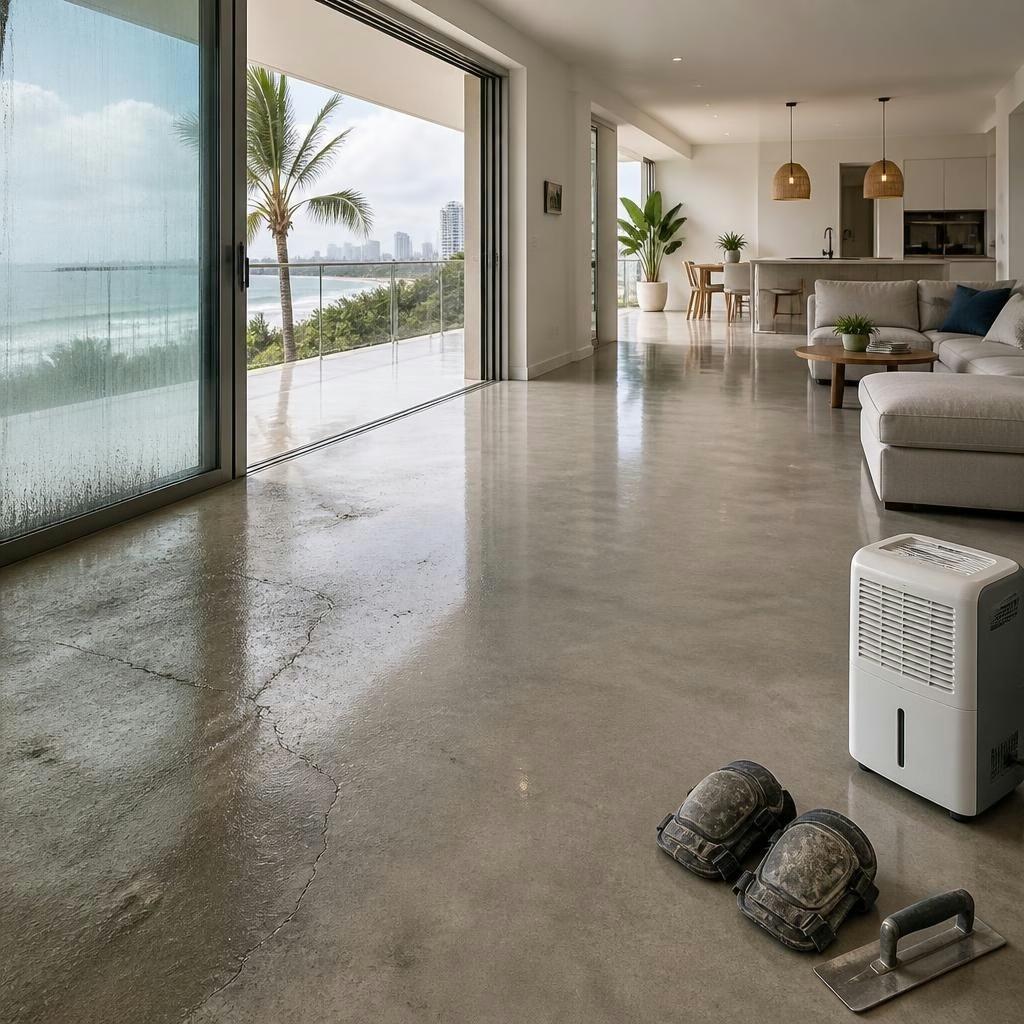
Why the Gold Coast climate matters for concrete and epoxy floors
The Gold Coast’s coastal climate — with high humidity, salty sea air and frequent rain events — creates conditions that make moisture management a top priority for concrete and coated floors. Concrete is porous and interacts with the environment: moisture in the ground and slab, plus humid air above the slab, can move through the surface and affect both polish and coating systems. That movement can stress coatings, change adhesion and influence how a polished concrete surface responds over time. For homeowners and builders in Burleigh Heads, Byron Bay and surrounding areas, planning for local weather and site drainage is an essential first step.
How moisture problems show up in finished floors
Moisture-related issues can appear in several ways: coatings can lift or blister, epoxy can delaminate from a damp substrate, and polished surfaces may show staining, efflorescence or uneven appearance where salts or moisture migrate. Cracks in the slab can allow water to travel, and persistent dampness under a coating accelerates wear and reduces durability. Not every blemish signals a defective product — often it’s an interaction between the slab condition and the environment — so accurate diagnosis is important before repair or a full recoat.
Start right: essential pre-installation checks
Before polishing, sealing or applying epoxy, a thorough substrate inspection and moisture assessment are required. Professionals will look for visible cracks, prior coatings or contaminants, evidence of poor drainage around the slab, and any signs of rising moisture. Surface preparation — grinding or removing old coatings and contaminants — is a must so the new finish can bond correctly. Several customers have noted that taking time to properly assess challenging slabs and avoid shortcuts leads to far better outcomes, so allow time in your project schedule for these checks.
Choosing the right finish for coastal conditions
Different finishes behave differently when moisture is present. Polished concrete is a densified, mechanically finished surface that can be more tolerant to moisture movement than some surface coatings, because it’s an integral finish rather than a film sitting on top. Epoxy and decorative flake systems offer attractive, seamless results but rely on good adhesion to a dry, well-prepared slab; they may need additional moisture control or primer systems in damp conditions. Discussing the site-specific risks with a contractor will help you weigh durability, appearance and maintenance trade-offs for your project.
Installation best practices that reduce cracking and lifting
Local installers reduce risk by combining careful preparation with appropriate products and detailing. Key practices include mechanical profiling (grinding) to expose a sound surface, repairing and routing movement joints so existing cracks are respected, and using primers or moisture mitigation products recommended for the chosen coating. Good adhesion often depends on both the right product and correct timing — for example, ensuring the slab has been assessed and prepared correctly and that work proceeds when site conditions are suitable. Contractors who communicate options and limitations clearly help homeowners avoid surprises after handover.
Maintenance and ongoing care to protect your investment
After installation, everyday steps help preserve floor performance in a coastal climate. Keep perimeter drainage and gutters clear so water is directed away from slabs, maintain seals on external joints, and avoid harsh cleaners that can damage finishes. Controlling indoor humidity with ventilation or dehumidification during very humid periods can slow moisture-driven issues for coated systems. For polished concrete, routine cleaning and occasional re-sealing (where applicable) will keep the surface looking its best and make problems easier to catch early.
When to call a professional — and how we can help
If you’re planning a new floor or noticing lifting, staining or unusual cracks, get a professional assessment that includes substrate inspection and moisture testing. Ask prospective contractors about coastal experience, the preparation steps they’ll take, and examples of similar projects. Absolute Luxury Floors is based in Burleigh Heads and offers concrete polishing, grinding and sealing, epoxy and flake systems, and grind-and-seal restoration across the Gold Coast region. Many clients have praised the team’s thorough assessments, attention to detail and clear communication on challenging slabs — all useful qualities when managing moisture risks in local projects. Contact a trusted installer early in your build or renovation to reduce the likelihood of costly repairs later.
Article by
Absolute Luxury Floors
Absolute Luxury Floors is a family-owned and run business with over 20 years of combined experience in the construction and concrete finishing industry. Based out of the Gold Coast, our HQ / Showroom is centrally located in Burleigh Heads. We offer a selection of premium floor finishes, ranging from concrete polishing, grinding and sealing, honing and sealing through to epoxy coatings. We work with you step by step to ensure you’re provided with the best flooring options available to create your dream look. To do things the Absolute Luxury Floors way involves attention to detail and striving for perfection in everything we do.